
Sunny Guava Curd
Plus: The Four Questions with Gabriella Stern of Pantry Diaries

Hello! This week’s recipe is available to all subscribers of The Jewish Table. But most recipes for dishes like Grilled Goddess Chicken and Balkan Red Pepper Dip (plus the entire recipe archive) are only for paid subscribers. Don’t miss out! Upgrade to a paid subscription to The Jewish Table here or below.
Dear The Jewish Table Readers,
After a stretch of unseasonable warmth in early January, winter is back to wintering here in NYC with ice-slicked sidewalks (be careful out there!) and arctic tundra vibes. You will never find me complaining about tree branches blanketed in a downy layer of snow—I wait for it all year long. But when the forecasted temps are low enough to freeze your eyelashes, I reflexively start to dream of sunshine.
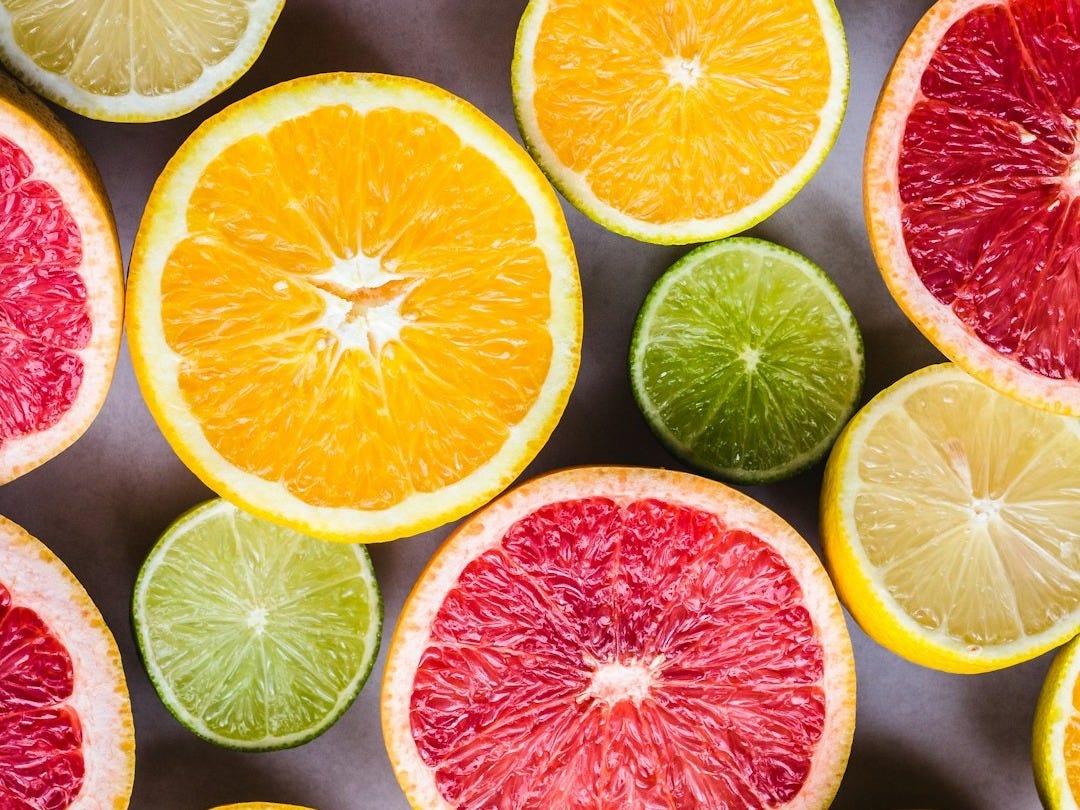
Thank goodness winter is also peak season for citrus—fruits that manage to transform sunshine into clusters of tiny, juice-filled pouches that burst forth with life and fragrance when you peel or slice into them. Along with a steaming pot of soup or stew, nothing combats the frigid cold like the relentless cheer of citrus.
I have less personal familiarity with tropical fruits, like guava and passion fruit, but I put them in this same winter-busting category. Their floral scent and flavor immediately evokes sandy beaches, and they are significant sources of Vitamin C. (Guavas actually pack more vitamin C per serving than oranges.) That is why I am excited to share this week’s recipe for Sunny Guava Curd by recipe developer Gabriella Stern.
Traditional citrus curds are made by whisking freshly squeezed juice, sugar, and many egg yolks in a double boiler until the mixture thickens (ideally without scrambling the eggs), and then whisking in butter for glossy richness. Gabby’s method simplifies the process by starting with jarred guava preserves (Bonne Maman makes wonderful guava preserves that I found in the jam aisle at my regular supermarket) rather than lemon, lime, orange, or grapefruit juice. She thickens the preserves with cornstarch and just one egg—a faster and more cost-efficient method that results in a satiny, sweet-tart curd.
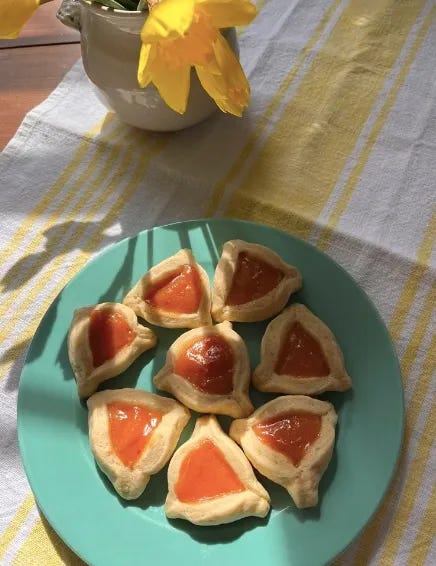
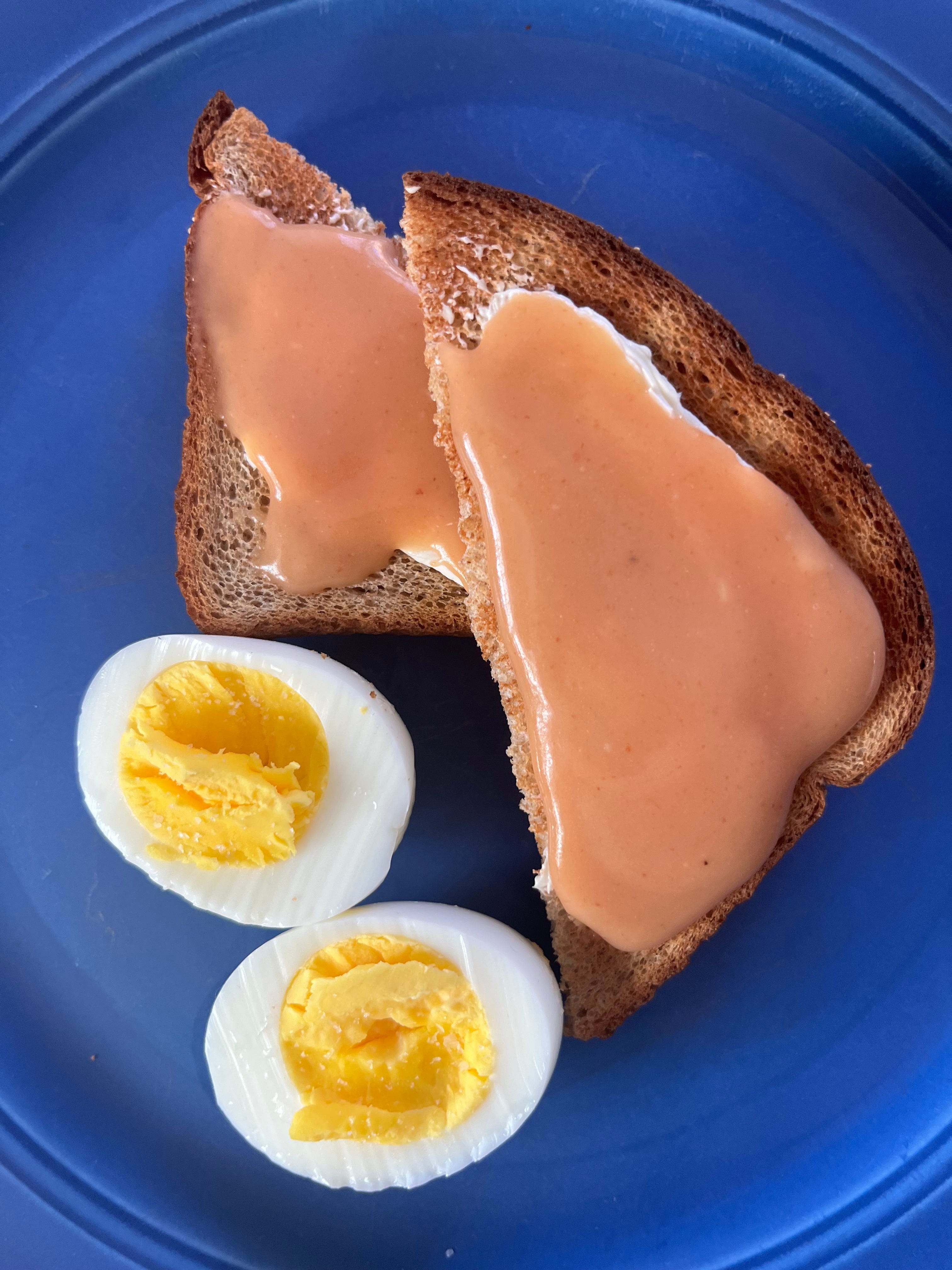
Gabby told me she has used the guava curd to fill hamantaschen and Linzer cookies. But it also excels on the breakfast table, swirled into Greek yogurt or spread on toast. Check out the recipe below my interview with Gabby.
More Sunshine and Winter Joy
Here are a few more recipes from The Jewish Table archive (and beyond) to help make the most of citrus season while it lasts.
A Showstopping Citrus Salad (The Jewish Table Archive)
Wintry Fig and Lemon Granola (The Jewish Table Archive)
Plumpy, Slumpy, Citrusy Prunes (The Jewish Table Archive)
Just a Nice Half Grapefruit (The Jewish Table Archive)
Crispy, Lemony Sheet Pan Salmon (The Jewish Table Archives)
Lemon Potatoes (Smitten Kitchen)
Chocolate Covered Oranges (Dream Kitchens)
The Four Questions Interview: Gabriella Stern
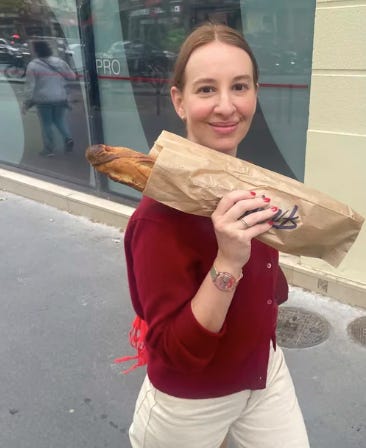
Welcome to the latest installment of The Four Questions, The Jewish Table’s semi-regular interview segment featuring Jewish food luminaries. This week I’m thrilled to be joined by fellow food writer Gabriella Stern. Gabby and I share a lot in common. We both graduated college with degrees in environmental studies and started our careers in the non-profit space. We actually met back in 2015 while she was working as promotions manager for NYC’s greenmarkets and she reached out to me about leading a cooking demonstration.
A few years ago, Gabby decided to jump into the world of food writing, recipe development, and food styling. Since then, her writing and recipes have been featured on Delish and Jewish Food Society, as well as in her Pantry Diaries newsletter. Gabby continues to focus on sustainability, like her no-waste cooking series on Instagram, where she creates delicious recipes using leftovers and pantry staples she has on hand. More recently, she has begun to find ways to bring the two sides of her family heritage—Ashkenazi Jewish and Costa Rican—together in her work.
Gabby took some time to chat with me about her family’s vibrant holiday celebrations and what a “food stylist” actually does all day. She also shared her recipe for guava curd (see below), which she uses to fill hamantaschen—go ahead and bookmark that idea for March—and Linzer cookies.
How did you get into the food world?
I majored in environmental studies in college and my first job after I graduated was to work at Grow NYC, which runs New York City’s greenmarkets. It was at that job that the dots started to connect for me between food and media. I grew up admiring the glossy food magazines and enamored by The Food Network. But working at the greenmarket, I got exposed to agriculture, the restaurant world, and the media world in a different way. After Grow NYC I transitioned to a marketing and development job at Hot Bread Kitchen, but the itch to work in food media started growing stronger.
Three years ago I decided to go for it, and go freelance as a food writer and recipe developer. Everything has really blossomed from there, and the work I did with Jewish Food Society tied the whole bow together. In my personal food writing and recipe development, I still incorporate zero waste and other sustainable ideas as much as possible–like cooking through my pantry and using what I had before I buy anything new.
Can you tell me about your work as a food stylist, and explain what a food stylist actually does?
Food styling was something I only knew a little about, but have grown to love. I mostly do shoots for social media videos and shows on YouTube. What it means is prepping all the food, sometimes two or three times, so that when the host of the video comes in, everything is ready to go. My job is to move the process along and make the shoot successful. My experience at the greenmarkets and Hot Bread Kitchen helped me tremendously on the project management aspect of the work. As a food stylist you have to think about how to break down a day and make everything run smoothly.
On photo shoots, food styling includes prepping and plating the dish so it is ready for the camera. I’m completely self-taught as a cook–though I have invested in my culinary education by taking classes at Ballymaloe Cookery School in Ireland and elsewhere.
What are your family’s Jewish food traditions like?
Holidays were really vibrant when I was growing up. My dad’s side of the family is Jewish and my mom’s side is from Costa Rica, so we got a nice blend of all the holidays. I was one of those kids that got to celebrate Hanukkah and Christmas. Growing up they were kept separate, but I have fond memories of both. My dad’s father, Jack, was a Jewish baker. He ran Stern’s Bake Shop in Yonkers from 1959 until 1973. I didn’t know him but all of my dad’s stories about growing up include the bakery. My dad still makes New York-style cheesecake for every holiday. Also Linzer cookies and challah—things his father made. Our Hanukkah parties were always fun too. We had latkes and the smoke alarm invariably went off.
How do you bring together your Jewish and Central American heritage through food?
That is my mission—to begin bridging the two sides of my family’s cultures. I like to bring my mom’s heritage into the Jewish side of things, so nowadays I make latkes with plantains and camote (sweet potato), and Hanukkah doughnuts with passion fruit glaze as an ode to the tropical flavors. And I make a guava curd that I have used to fill hamantaschen and Linzer cookies. Going forward, I want to try roast chicken with achiote and continue bringing these flavors together. They make a good match!
Sunny Guava Curd
Gabby’s headnote: In Costa Rica, where my mom is from, guava is abundant on trees, in the mercados, in lots of desserts, and best of all in juice. Native to Costa Rica is cas, a more sour relative of guava. My grandparents’ home in Costa Rica has a cas tree (and a mango tree), and when in season, we make fresh cas juice—it’s truly wonderful. Every time I visit family in Costa Rica, I usually bring home a few jars of guava jam. While guava fruit is available here in New York, it never quite ripens the same way as when it’s picked and ripened by the sun. So here in New York, I opt for guava preserves instead. I just discovered that Bonne Maman makes a delicious guava preserve with a nice consistency and balanced sugar. Goya also makes guava jam that might be more readily available.
Makes 1 generous cup (about 350 g)
3/4 cup (255 g) guava preserves
2 1/2 tablespoons cornstarch
1/4 cup water
1 large egg
8 tablespoons (1 stick) unsalted butter or vegan butter, cubed
Pinch of kosher salt
Juice from half a lemon
Off the heat, add the guava preserves to a medium, heavy-bottomed saucepan (ideally stainless steel) and set aside. Make a cornstarch slurry by whisking together the cornstarch and water in a small bowl until smooth. Add the egg to the cornstarch slurry and whisk to combine.
Place the saucepan over low heat and warm the jam, whisking once or twice, until it melts into a liquidy consistency, 1 to 2 minutes. Drizzle in the cornstarch mixture, and whisk constantly until the mixture begins to thicken but does not boil, 5 to 7 minutes.
Once thickened, turn off the heat under the saucepan (but leave the pan on the burner), and add in the butter one cube at a time, whisking constantly until each butter cube melts into the curd. Add the salt and lemon juice and whisk again. The curd should be thick and smooth.
Transfer the curd to a glass jar or shallow glass bowl and cover until set in the refrigerator, at least 3 hours and ideally overnight. Store, covered, in the fridge for up to 2 weeks.
While the Guava Curd Chills…
…consider making a call to your senators and representatives asking them to stand up to the Trump administration’s dangerous foolishness. 5 Calls makes the process simple (even if you get shy about making these kinds of calls, like I do.) And the calls are more effective than you might think. Keep fighting and stay hopeful, friends. We are all we’ve got, but together we’ve got a lot.
I like your description of citrus as “fruits that manage to transform sunshine into clusters of tiny, juice-filled pouches that burst forth with life and fragrance when you peel or slice into them” just as much as your note of their “relentless cheer.” We’re using so much citrus this winter!
Thank you for the curd recipe!!!